

Why Does My Drain Keep Clogging After It’s Been Cleared?
Quick answer: A drain can clog again because buildup remains, new debris collects, roots regrow, or a damaged section restricts flow. Clearing removes an obstruction; it does not necessarily address what caused it. A returning clog alone does not mean you need a new sewer line. The next step depends on the affected fixtures, the previous work, and what further assessment finds.
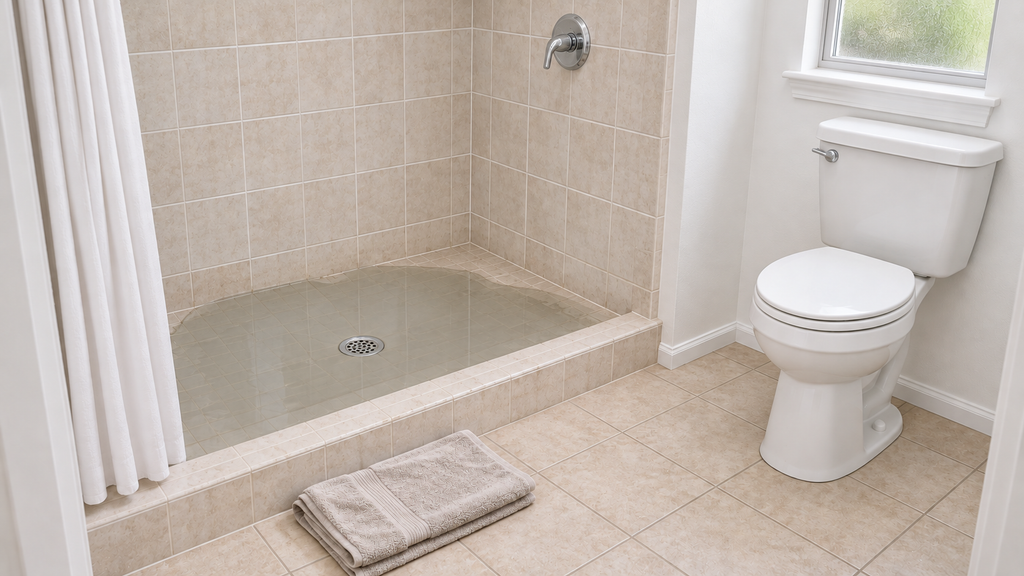
If your drain keeps clogging after cleaning, it’s understandable to feel frustrated. You paid to get things flowing again, and now you’re watching water collect in the same spot. Before you pay for another clearing or agree to a bigger repair, it helps to understand why the clog came back and what the plumber needs to check next.
Key Takeaways
- Clearing a clog and repairing a pipe are different jobs.
- Which fixtures are affected helps determine where the investigation begins.
- A camera shows only the drain sections it can reach and see clearly. Clearing may be needed first.
- Recurring clogs don’t prove the whole line needs replacing. The findings should set the scope.
What does the pattern of the backup tell you?
The pattern tells you where to start looking, not what is wrong. Treat it as a clue, not a diagnosis. One slow fixture usually points to that fixture’s own drain, while several affected fixtures point farther down the system.
- One fixture keeps clogging. The trouble is often in its trap or branch line. Bathroom drains collect hair and soap, and kitchen lines collect grease and food.
- Several fixtures slow down at once. A restriction in a shared drain or the main line becomes more likely.
- Water rises in a lower fixture when something else drains. If the shower fills when the washer drains or a toilet flushes, a restriction farther along a shared line may be involved. The plumber needs to assess where the flow is being held up.
Gurgling means air is moving through water in the drainage system. A blockage or a venting problem can cause it, so the sound alone does not establish a sewer-line failure. Our drain cleaning and repair page explains how an isolated slow fixture and a recurring backup can call for different approaches.
Why Your Drain Keeps Clogging After Cleaning
Clearing an obstruction restores flow, but the reason it formed may still need attention. For example, a drain cable may open a path through buildup without removing all of it. New material can also collect after a successful clearing.
Possible reasons a cleared line backs up again include:
Buildup on the pipe walls. Depending on the tool, method, and pipe condition, clearing may leave grease or scale that continues to narrow the passage.
New material going down the drain. Carrollton’s sewer stoppage policy says most common household stoppages come from grease or foreign objects in the line between the house and the city main. Carrollton’s Pollution Control division adds that grease in public and private lines causes a great number of sewer overflows.
Roots growing back. Roots can enter through openings at joints or cracks. Removing roots can restore flow, but it does not necessarily seal the opening.
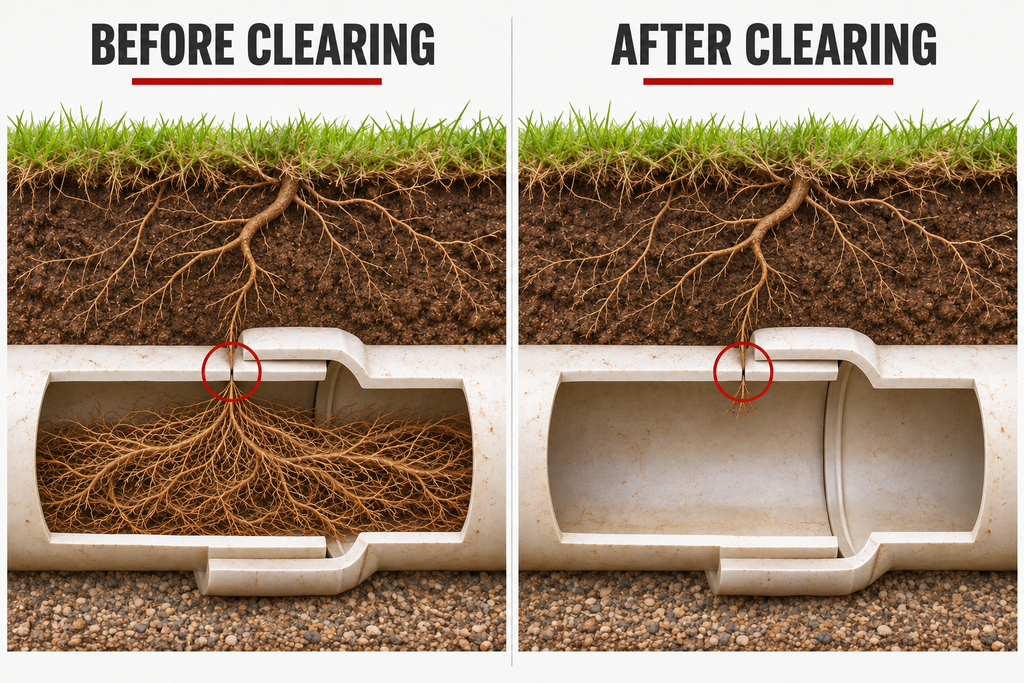
- Damaged or offset joints. A broken section or a joint that has shifted out of alignment can create a place for paper and waste to collect.
- Low spots. A section sitting lower than the pipe around it can hold water and let solids settle.
Standing water does not automatically prove the pipe has a low spot. It can also collect behind a partial blockage. The plumber needs to assess what is causing it before recommending a repair.
A returning clog does not, by itself, show that the earlier work was done badly. Ask what that visit was intended to accomplish, what was found, and whether further assessment was recommended.
What happened after the last clearing?
Tell the plumber whether the drain worked normally after the visit, whether it only improved, and when the trouble returned. Mention whether the same fixture is affected or other drains have started backing up. The timing helps describe the problem, but it cannot establish the cause on its own.
If you have the earlier invoice, recommendations, or inspection footage, have them available. They can help explain what was already done and what still needs checking. Do not run extra water to demonstrate a backup.
When can a sewer camera inspection help?
A sewer camera inspection helps when a clog keeps returning or a repair is being considered. It shows the inside of the drain sections the camera can reach and see clearly, not every pipe in the house.
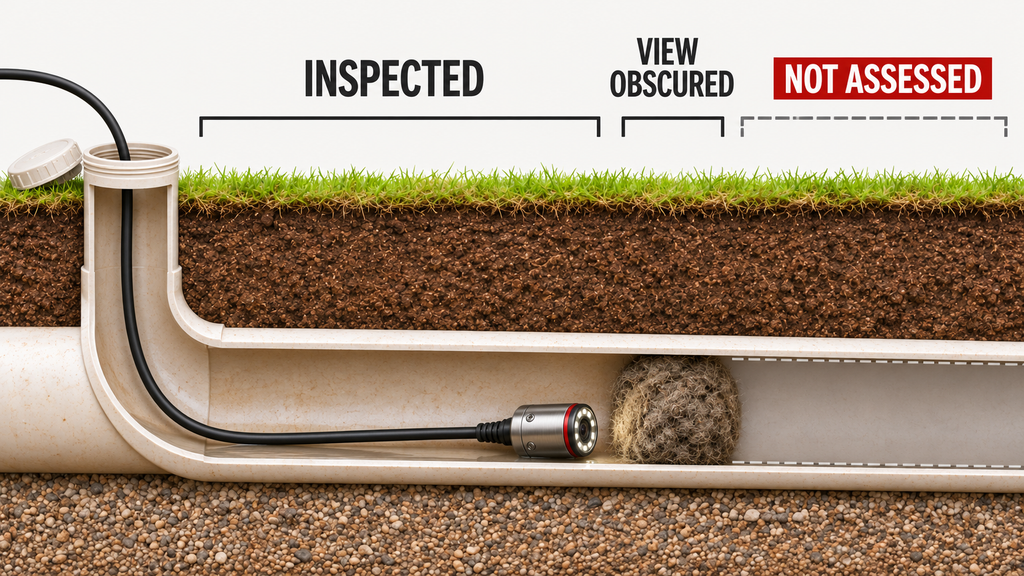
A blocked line may need clearing before a useful inspection is possible. Seattle Public Utilities recommends inspection after clearing to assess pipe condition. The important limit is visibility: dirty or standing water can obscure defects. RIDGID’s SeeSnake guidance also warns that an inspection camera should not be used to clear an obstruction because buildup can damage or trap it.
Even after clearing, water or debris can hide part of the pipe, and bends or access limitations may prevent the camera from reaching the full line. Ask where the inspection started and ended, and which sections could not be assessed.
The drain and sewer camera inspection discussed here assesses wastewater piping. It does not replace leak detection for pressurized water-supply pipes beneath a slab.
Do you need another drain cleaning, a sewer repair, or replacement?
The recommendation should follow the findings. More cleaning may address remaining material. A localized defect may be suitable for a targeted repair when the adjoining pipe is sound. Confirmed problems across a longer stretch may justify more extensive replacement.
| Option | Findings that could support it | What it addresses | What it leaves unresolved |
|---|---|---|---|
| Another cleaning | Removable buildup, debris, or roots | Restores flow by removing material | Damaged pipe, root entry points, low spots |
| Targeted repair | One defect at a known location, such as a broken section or offset joint | Repairs that section | Problems in sections not inspected or repaired |
| Longer replacement | Confirmed defects in several sections, or widespread deterioration | Replaces the damaged length of pipe | Pipe outside the replaced length |
Seattle’s repair guidance distinguishes a defect at one location from problems affecting multiple sections. Age alone does not establish the need for full replacement, and neither does one backup. Ask why the findings support the proposed length of work.
What should you ask before approving the next job?
Ask the plumber to connect the proposed work to the findings. You should understand where the problem is, how it was identified, and what the repair is expected to address.
- Where was the problem found? Ask for the location and its approximate distance from the access point.
- What evidence supports the diagnosis? Ask what the footage, material removed, or relevant testing shows, and what remains uncertain.
- Which sections were inspected, and which were not? A clear view of one section does not establish the condition of an uninspected section.
- Does the proposal cover clearing, structural repair, or both? Clearing restores flow. Repair changes the pipe.
- Why is that length of replacement necessary? If the defect is in one spot, ask why the work covers more.
- What other reasonable options are there? Ask what each would leave behind.
- What access, testing, and restoration are included? Concrete, flooring, and landscaping can change the real scope.
- What diagnostic or inspection charges apply? A free estimate isn’t the same as free clearing or a free camera inspection.
- Are footage or written findings available? Ask before the work starts.
If someone says the problem is ‘on the city side,’ ask for the location and contact your utility before authorizing excavation. Carrollton’s sewer stoppage policy distinguishes service-line obstructions from structural repairs within the public right-of-way. Ask Public Works to confirm the responsibility, evidence requirements, and any applicable charges for your situation. Other cities may have different rules.
At Plumbing Dynamics, our technicians aren’t paid on commission. We offer free estimates and price the work after seeing the conditions onsite. Ask us what the findings mean, what the options are, and which charges apply before authorizing work.
What if sewage is actively backing up?
Stop using water that drains into the affected system, keep people and pets away, and call a plumber. Every flush, shower, or load of laundry adds to the overflow.
Don’t keep flushing to test the line, and don’t open a backed-up cleanout, because sewage can spill out. Skip chemical drain cleaners, never mix them, and avoid touching wastewater. If sewage is in the street or your neighbors are backing up too, the public main may be involved. Carrollton’s 24-hour Public Works emergency line is 972-466-3425. Outside Carrollton, contact your own city utility.
Frequently Asked Questions
Does a returning clog mean I need a new sewer line?
Not necessarily. A returning clog may involve buildup, roots, a localized defect, or another drainage problem. More extensive replacement should be supported by findings that explain why cleaning or a smaller repair would not adequately address it.
Can tree roots return after the line is cleared?
Yes. Roots can regrow if the opening remains after clearing. If roots repeatedly appear at the same location, ask what the inspection shows about that section and what each proposed option would address.
Should a camera inspection happen before or after cleaning?
It depends on access and visibility. A blocked line may need clearing first so the camera can provide a useful view. If enough of the pipe is already visible, inspection may come first. Murky water or heavy debris can obscure conditions even when the camera can pass through.
Can only the damaged section be repaired?
A targeted repair may be possible when the defect is localized, the adjoining pipe is suitable to remain, and the location can be accessed appropriately. Findings in several sections may support a larger scope.
How do I keep a drain from clogging again after cleaning?
Keep grease, food scraps, and wipes out of the drains, and use strainers where hair collects. Those habits help with buildup, but they won’t fix roots or damaged pipe.
Get a clear explanation before the next repair
Before paying for another clearing or approving pipe replacement, gather the records from the last visit and note which fixtures are affected. Ask what was found, what remains uncertain, and why the proposed work addresses the problem. You should be able to follow the explanation.
Plumbing Dynamics is a family-owned, woman-owned plumbing company based in Carrollton, serving homeowners across North Dallas. Tell us which fixtures are affected, when the trouble came back, and what work has already been done. Call 214-929-3431 or contact our Carrollton team.
